The R100k SA Used Car Reality Check
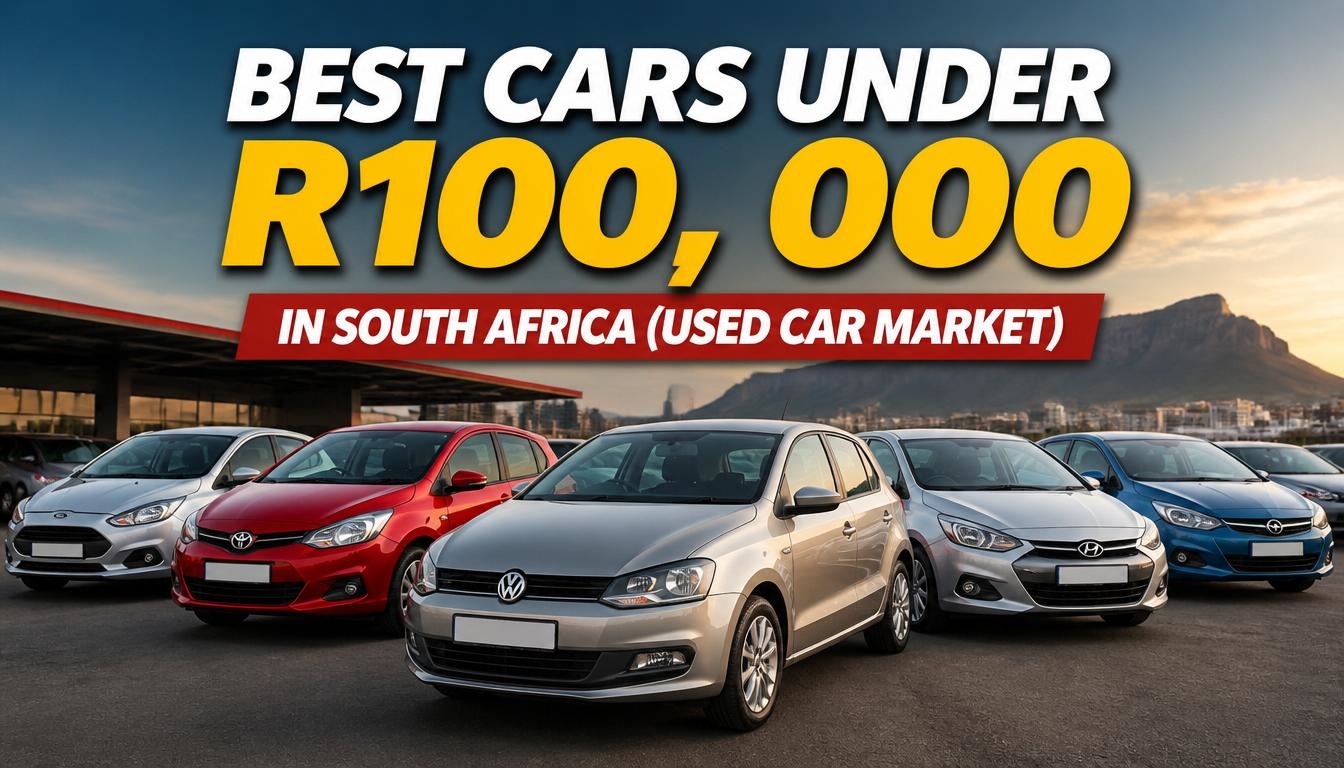
Finding a solid, trustworthy used car under R100,000 in South Africa is harder than ever. With fuel prices fluctuating around R22 to R25 per litre, high interest rates, and the overall cost of living putting pressure on household budgets, the sub-R100k bracket has become the most competitive segment in the pre-owned market.
Whether you are scanning WeBuyCars floors in Midrand, refreshing AutoTrader alerts in Cape Town, or browsing private listings in Durban, you have likely noticed two stark realities:
-
Clean, low-mileage vehicles priced under six figures sell within hours.
-
The market is flooded with high-mileage fleet disposals, deferred-maintenance money pits, and hidden Code 3 rebuilt vehicles.
Navigating this market requires balancing purchase price against long-term operational costs: insurance premiums, spare parts availability at local auto shops, fuel consumption, and resistance to urban road hazards like potholes and storm wear.
A vehicle bought for R85,000 that requires an immediate R25,000 gearbox replacement or costs R2,500 a month to insure is not a bargain. This guide cuts through showroom marketing to evaluate the best pre-owned cars under R100,000 in South Africa based on real-world reliability, parts availability, and long-term ownership costs.
Top 7 Used Cars Under R100,000 in South Africa
1. Volkswagen Polo Vivo 1.4 & 1.6 (2010 – 2016)
The Unofficial South African Benchmark
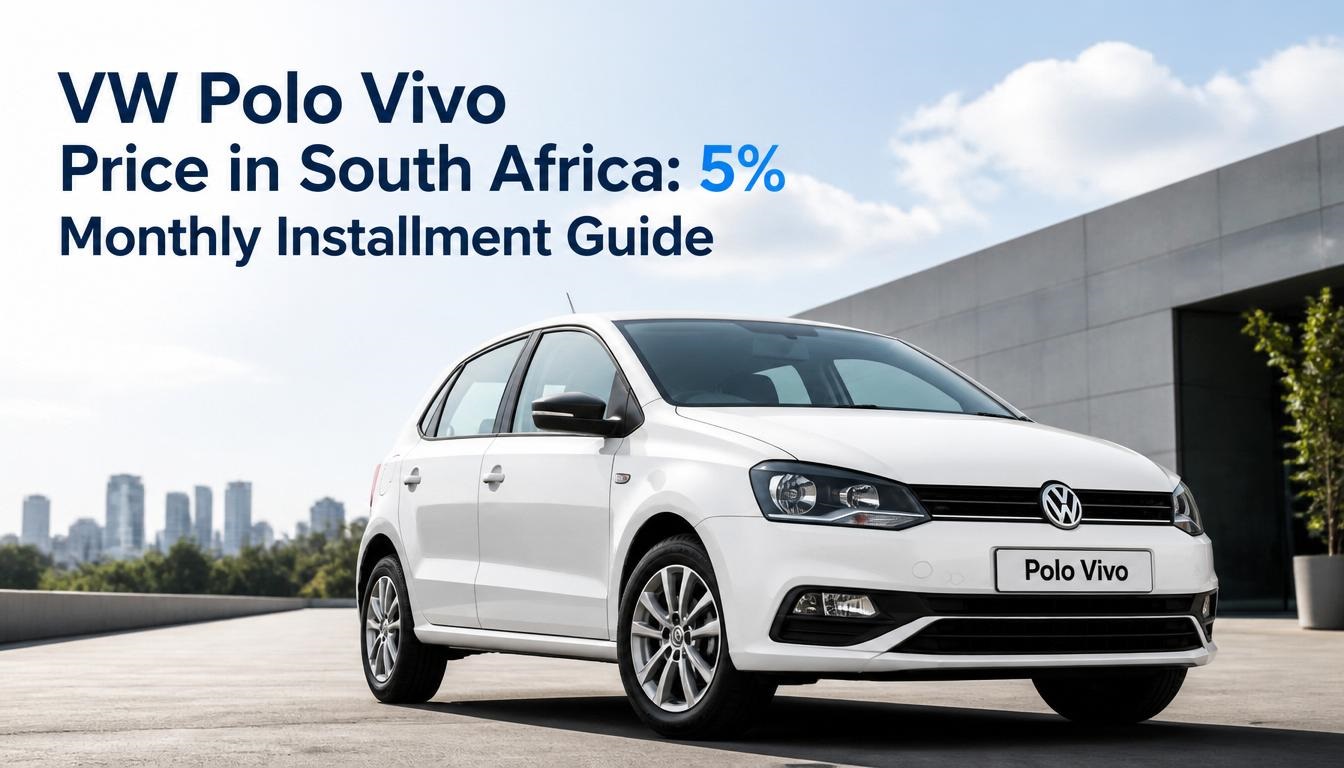
The Volkswagen Polo Vivo remains a primary choice for South African budget car buyers. Built locally at VW’s Kariega (formerly Uitenhage) plant in the Eastern Cape, the Polo Vivo was designed specifically for local road conditions and consumer requirements.
-
Real Market Price: R75,000 – R98,000
-
Mileage Expectations: 140,000 km – 210,000 km
-
Engine Options: 1.4L Naturally Aspirated (55kW / 63kW) | 1.6L Naturally Aspirated (77kW)
-
Real-World Fuel Use: 6.2 – 7.1 L/100 km
-
Parts Availability: Universal (Goldwagen, Midas, Agents)
Why It Succeeds in SA
-
Parts Network: Every auto parts retailer from Musina to Cape Town stocks Polo Vivo components. Third-party suppliers like Goldwagen make replacement mechanical parts affordable.
-
Resale Stability: The Polo Vivo retains market demand consistently. If purchased correctly at R85,000, it can often be resold two years later with minimal depreciation.
-
Ride Comfort: The suspension handles rough asphalt and corrugated gravel roads better than many imported micro-hatchbacks.
Known Issues & Mechanical Gremlins
-
Theft & Hijacking Risk: The Polo’s popularity makes it a high target for vehicle crime. Most South African insurers require an approved tracking unit (e.g., Cartrack or Matrix), and monthly comprehensive insurance premiums are noticeably higher than Japanese competitors.
-
Ignition Coil Packs & Door Locks: The 1.4L and 1.6L EA111 engines occasionally misfire due to failing coil packs. Central locking door actuators are also known to fail over time.
-
Timing Belt Interval: Unlike chain-driven engines, the Polo Vivo requires a timing belt and water pump service every 90,000 km to 120,000 km. Verify this service history in the logbook before purchasing.
2. Toyota Etios 1.5 Sprint / Xs / Xi (2012 – 2017)
Uncompromising Engine Reliability
While the Toyota Etios faced initial criticism for its basic interior trim and centrally mounted instrument cluster, it has proven to be one of the most mechanically durable vehicles on South African roads.
-
Real Market Price: R80,000 – R99,900
-
Mileage Expectations: 130,000 km – 190,000 km
-
Engine Option: 1.5L 4-Cylinder Petrol (66kW / 132Nm)
-
Real-World Fuel Use: 6.0 – 6.8 L/100 km
-
Parts Availability: Exceptional (Toyota SA Dealer Network)
Why It Succeeds in SA
-
Substantial Powertrain: The 1.5-litre 2NR-FE engine delivers 66kW in a lightweight body. It maintains highway speeds easily, even at high altitudes in Gauteng, without requiring frequent downshifts.
-
Low Maintenance Costs: Servicing costs are minimal. The engine uses a timing chain rather than a belt, eliminating costly replacement intervals.
-
Toyota Service Footprint: Toyota’s extensive dealership network ensures long-term parts availability across South Africa.
Known Issues & Mechanical Gremlins
-
Thin Body Sheet Metal & Paint: The exterior metal panels dent easily under hail or minor impacts, and the interior plastics scratch easily.
-
Clutch Wear: The light clutch mechanism can wear prematurely if driven roughly in stop-start urban traffic. Check for high clutch engagement points during test drives.
-
Cabin Noise: Interior sound insulation is thin, leading to noticeable road and wind noise at speeds above 100 km/h.
3. Suzuki Swift 1.2 / 1.4 GL (2011 – 2017)
The Efficient Daily Commuter
Suzuki has expanded its presence in South Africa over the past decade, largely due to vehicles like the Swift. Built with Japanese engineering and low kerb weight, the second-generation Swift offers strong fuel economy and practical urban driving dynamics.
-
Real Market Price: R78,000 – R98,000
-
Mileage Expectations: 120,000 km – 180,000 km
-
Engine Options: 1.2L 4-Cylinder (63kW) | 1.4L 4-Cylinder (70kW)
-
Real-World Fuel Use: 5.3 – 6.1 L/100 km
-
Parts Availability: Good (Expanding Dealer & Aftermarket Network)
Why It Succeeds in SA
-
Fuel Consumption: Real-world fuel usage regularly averages under 5.8 L/100 km, making it one of the most fuel-efficient non-hybrid cars in this price segment.
-
Favorable Insurance Rates: Unlike high-theft hatchbacks, the Suzuki Swift attracts lower risk ratings from major South African insurance providers.
-
Build Quality: Interiors hold up well against sun exposure and heat, resisting rattles better than many price competitors.
Known Issues & Mechanical Gremlins
-
Limited Boot Space: Luggage volume is restricted (210 litres), which may require folding the rear seats for larger cargo.
-
Shock Absorbers: Suspension struts show wear around 120,000 km on uneven roads. Listen for knock noises over speed humps during test drives.
4. Hyundai Grand i10 / i10 1.2 Glide or Motion (2012 – 2017)
Practical Urban Hatchback
Hyundai built its local reputation on models like the Getz, and the i10 and Grand i10 continue that emphasis on low running costs.
-
Real Market Price: R70,000 – R95,000
-
Mileage Expectations: 110,000 km – 170,000 km
-
Engine Options: 1.1L 3-Cylinder / 1.25L 4-Cylinder
-
Real-World Fuel Use: 5.4 – 6.2 L/100 km
-
Parts Availability: Excellent (Hyundai SA & Aftermarket)
Why It Succeeds in SA
-
Cabin Features: Models in the sub-R100k bracket often come equipped with bluetooth connectivity, multi-function steering wheels, and electric windows.
-
4-Cylinder 1.25L Engine Choice: The 1.25-litre engine option provides smooth power delivery and reliable highway performance compared to 1.0-litre three-cylinder alternatives.
-
Mechanical Reliability: The naturally aspirated Kappa engine family is durable when basic oil service intervals are maintained.
Known Issues & Mechanical Gremlins
-
Clutch Cable Wear (Older i10 models): Earlier i10 variants use a mechanical cable clutch that hardens over time and requires periodic replacement or adjustment.
-
Wheel Alignment Sensitivity: Small wheel sizes (14-inch) make the vehicle sensitive to pothole damage, requiring frequent alignment checks to prevent uneven tyre wear.
5. Honda Jazz 1.3 / 1.5 i-VTEC (2008 – 2014)
Unmatched Interior Space and Reliability
The Honda Jazz is often overlooked by younger buyers due to its conservative styling, but experienced mechanics frequently recommend it. It provides exceptional cargo flexibility and reliable mechanical performance.
-
Real Market Price: R75,000 – R99,000
-
Mileage Expectations: 150,000 km – 220,000 km
-
Engine Options: 1.3L i-VTEC (73kW) / 1.5L i-VTEC (88kW)
-
Real-World Fuel Use: 5.8 – 6.6 L/100 km
-
Parts Availability: Good (Moderate Aftermarket Pricing)
Why It Succeeds in SA
-
“Magic Seat” Layout: The rear seats fold completely flat or flip upward, creating cargo versatility unmatched by any other hatchback under R100k.
-
Engine Durability: Honda’s naturally aspirated L-series i-VTEC engines regularly exceed 300,000 km when serviced routinely.
-
Safety: Most trim levels feature standard ABS, EBD, and multiple airbags.
Known Issues & Mechanical Gremlins
-
Pricey OEM Body Panels: While engine service components are affordable, genuine body panels and light clusters can be expensive if non-insured accident repairs are needed.
-
CVT Automatic Servicing: If buying an automatic CVT variant, confirm that genuine Honda CVT-F fluid was used during service intervals. Neglected CVT gearboxes can be expensive to replace. Manual transmission models remain the safer long-term choice under R100k.
6. Ford Figo 1.4 Duratorq / 1.5 Ti-VCT (2012 – 2017)
Balanced Chassis and Highway Stability
Based on previous-generation Ford Fiesta platforms, the Ford Figo offers comfortable ride dynamics and confident handling on open South African highways.
-
Real Market Price: R68,000 – R92,000
-
Mileage Expectations: 130,000 km – 195,000 km
-
Engine Options: 1.4L Petrol (62kW) / 1.4L TDCi Diesel / 1.5L Petrol (82kW)
-
Real-World Fuel Use: 6.2 L/100 km (Petrol) | 4.8 L/100 km (TDCi)
-
Parts Availability: Moderate to Good (Motorcraft Network)
Why It Succeeds in SA
-
Driving Dynamics: Strong road handling and weighted steering feel make it comfortable for long-distance highway travel.
-
1.4 TDCi Fuel Economy: The 1.4-litre turbodiesel variant offers exceptional fuel range (under 5.0 L/100 km), though finding clean, low-mileage examples requires thorough inspection.
Known Issues & Mechanical Gremlins
-
Cooling System Plastic Housing: The plastic thermostat housing on 1.4 petrol models can turn brittle over time, potentially leading to coolant leaks.
-
Resale Value: Depreciation is higher than Toyota or VW equivalents, allowing buyers to purchase newer model years for the same price.
7. Nissan NP200 1.6 Single Cab Bakkie (2010 – 2015)
The Small Business Workhorse
For sole traders, artisans, or buyers needing cargo capacity, the Nissan NP200 is the primary half-ton bakkie option under R100,000 following the discontinuation of the Chevrolet Utility and Ford Bantam.
-
Real Market Price: R82,000 – R99,900
-
Mileage Expectations: 180,000 km – 260,000 km
-
Engine Option: 1.6L 8-Valve Petrol (64kW / 128Nm)
-
Real-World Fuel Use: 7.8 – 8.7 L/100 km
-
Parts Availability: Excellent (Local Rosslyn Production)
Why It Succeeds in SA
-
800 kg Payload Capacity: Features heavy-duty rear leaf spring suspension capable of hauling tools, equipment, or agricultural loads.
-
Local Parts Support: Produced locally in Rosslyn, Pretoria, ensuring widespread availability of replacement parts.
Known Issues & Mechanical Gremlins
-
Ex-Commercial Use: Many NP200s under R100,000 served as fleet or delivery vehicles. Thoroughly inspect for chassis fatigue, overloaded rear suspension, and incomplete service histories.
-
Base Spec Equipment: Entry-level models lack air conditioning, electric windows, and passenger airbags.
Comparison Table: Best Used Cars Under R100k
| Vehicle Model | Avg Used Price (ZAR) | Engine Spec | Fuel Economy | Theft/Insurance Risk | Overall Maintenance Score |
| VW Polo Vivo 1.4/1.6 | R75,000 – R98,000 | 1.4L / 1.6L Petrol | 6.5 L/100km | HIGH | 9/10 (Parts Everywhere) |
| Toyota Etios 1.5 | R80,000 – R99,900 | 1.5L Petrol (66kW) | 6.2 L/100km | LOW-MODERATE | 9.5/10 (Bulletproof) |
| Suzuki Swift 1.2/1.4 | R78,000 – R98,000 | 1.2L / 1.4L Petrol | 5.6 L/100km | LOW | 9/10 (High Reliability) |
| Hyundai Grand i10 | R70,000 – R95,000 | 1.1L / 1.25L Petrol | 5.8 L/100km | LOW | 8.5/10 (Low Repair Costs) |
| Honda Jazz 1.3/1.5 | R75,000 – R99,000 | 1.3L / 1.5L Petrol | 6.0 L/100km | LOW | 8.5/10 (Long Lifespan) |
| Ford Figo 1.4/1.5 | R68,000 – R92,000 | 1.4L Petrol / Diesel | 6.2 L/100km | MODERATE | 8/10 (Affordable Servicing) |
| Nissan NP200 1.6 | R82,000 – R99,900 | 1.6L Petrol (64kW) | 8.1 L/100km | MODERATE | 8.5/10 (Workhorse) |
Cars to Avoid Under R100,000 (The “Money Pit” Trap)
It can be tempting to buy an older luxury badge for under R100,000. However, buying a cheap luxury vehicle often leads to high maintenance costs.
1. Older German Luxury Sedans (BMW 3 Series E90, Audi A4 B8, Mercedes-Benz C-Class W204)
-
The Reality: A 2007 BMW 320i or Audi A4 1.8T priced at R85,000 may look attractive, but component replacement costs remain tied to the vehicle’s original luxury sticker price.
-
The Risks: Plastic cooling system failures, oil leaks (valve cover gaskets, oil filter housing), worn multi-link control arms, and complex ECU electronics. Replacing a clutch and dual-mass flywheel on a German luxury sedan can cost upwards of R20,000—a quarter of the car’s purchase value.
2. High-Mileage Turbodiesels Without Service Records
-
The Reality: Vehicles like 15-year-old diesel SUVs or hatchbacks may offer tempting torque numbers, but neglected diesel fuel systems are expensive to repair.
-
The Risks: Replacing worn diesel injectors (R6,000 to R10,000 each), high-pressure fuel pumps, or failed turbochargers can easily cost between R25,000 and R40,000. Stick to simple, naturally aspirated petrol engines in the sub-R100k segment unless full service records exist.
3. Early Datsun Go & Pre-2018 Renault Kwid
-
The Reality: These budget vehicles were sold cheaply when new, meaning older examples are available for R60,000 to R80,000.
-
The Risks: Early Datsun Go models lacked ABS brakes and airbags, receiving a zero-star Global NCAP safety rating. Early Renault Kwids suffered from fragile front suspension components, high fuel-pump failure rates, and thin body structures.
The South African Used Car Pre-Purchase Checklist
Before signing an offer to purchase or transferring funds via Electronic Funds Transfer (EFT), complete these inspection steps to ensure vehicle quality:
Step 1: Paperwork, VIN & NATIS Registration Check
-
Logbook Verification: Verify that the seller holds the original RC1 (NATIS Certificate) registration document. If the bank holds the document, the seller still owes money on the vehicle.
-
Code 2 vs Code 3: Ensure the document states Code 2 (Used Vehicle). A Code 3 vehicle was previously written off by insurance after an accident and rebuilt. Code 3 vehicles are difficult to insure comprehensively and have reduced resale value.
-
Service Records: Check for documented oil change intervals. A higher-mileage Toyota or Honda with a complete service record is generally a safer purchase than a lower-mileage car with missing service history.
Step 2: Pothole & Undercarriage Inspection
Given the condition of many South African urban and rural roads, underbody wear is common:
-
CV Joints: Turn the steering wheel to full lock in both directions and accelerate slowly in a circle. Clicking noises indicate worn CV joints.
-
Suspension & Control Arms: Look for uneven tyre wear across the tread. Inner-edge wear points to worn control arm bushings or bent strut assemblies from pothole impacts.
-
Rims & Tyres: Inspect the inner rims for welds or straightening marks caused by severe pothole strikes.
Step 3: Mechanical & Cooling System Test
-
Engine Oil Cap Inspection: Remove the oil filler cap. White, milky sludge under the cap indicates a blown head gasket allowing coolant to mix with the engine oil.
-
Cooling Fans: Allow the vehicle to idle for 10-15 minutes until it reaches operating temperature. Confirm that the electric radiator cooling fan engages automatically without the engine overheating.
-
Clutch Wear Test: Engage 3rd gear with the handbrake firmly applied, and slowly release the clutch pedal. If the engine stalls immediately, the clutch is holding. If the engine continues running while the pedal rises, the clutch plate is slipping and needs replacement.
Real Ownership Cost Breakdown: Running a R100k Car in SA
The purchase price is only part of the financial equation. Here is an estimated annual running cost breakdown for a typical budget hatchback (e.g., Toyota Etios or VW Polo Vivo) driven 15,000 km per year in South Africa.
| Expense Category | Estimated Annual Cost (ZAR) |
| Fuel (~6.5 L/100km @ R23.50/L) | R22,912 |
| Comprehensive Insurance | R7,200 – R12,000 |
| Annual eNaTIS Disc Renewal | R500 – R750 (Varies by Province) |
| Minor Annual Service | R1,500 – R2,500 |
| Tyre Set Replacement (Pro-rated 2-Year Cycle) | R1,800 |
| Emergency Repair Reserve Fund | R4,000 |
| Total Annual Running Cost | R37,912 – R42,962 |
| Monthly Operational Allocation | ~ R3,150 – R3,580 / Month |
Summary: Which Car Should You Buy?
-
Choose the VW Polo Vivo if you prioritize strong resale value, cheap local parts availability, and robust overall build quality—provided you budget for higher monthly insurance premiums.
-
Choose the Toyota Etios if you want low long-term mechanical repair costs and need enough engine power for highway driving with a loaded boot.
-
Choose the Suzuki Swift or Hyundai Grand i10 if you want a reliable urban daily commuter with low fuel consumption and reasonable insurance rates.
-
Choose the Honda Jazz if maximum interior load capacity and long-term mechanical reliability are your main requirements.
-
Choose the Nissan NP200 if you need an affordable commercial workhorse for business use.
Community Discussion: What Has Your Experience Been?
If you currently drive one of these vehicles or are shopping in the sub-R100k market, share your insights in the comments below:
-
Which engine and model combination in the sub-R100,000 price bracket has given you the best reliability on South African roads?
-
Have you encountered unexpected insurance quotes or tracking device requirements when quoting on a Polo Vivo compared to Japanese alternatives?
-
What is your personal rule of thumb for maximum acceptable mileage when buying a used car in South Africa?
Leave your comments, maintenance tips, or questions below to help other prospective buyers make informed decisions!

Joseph Mathebula is a consumer analyst and market researcher at Prices in South Africa. He specializes in tracking local service costs, retail pricing, and travel budgets, helping everyday shoppers navigate the market to secure the best value.