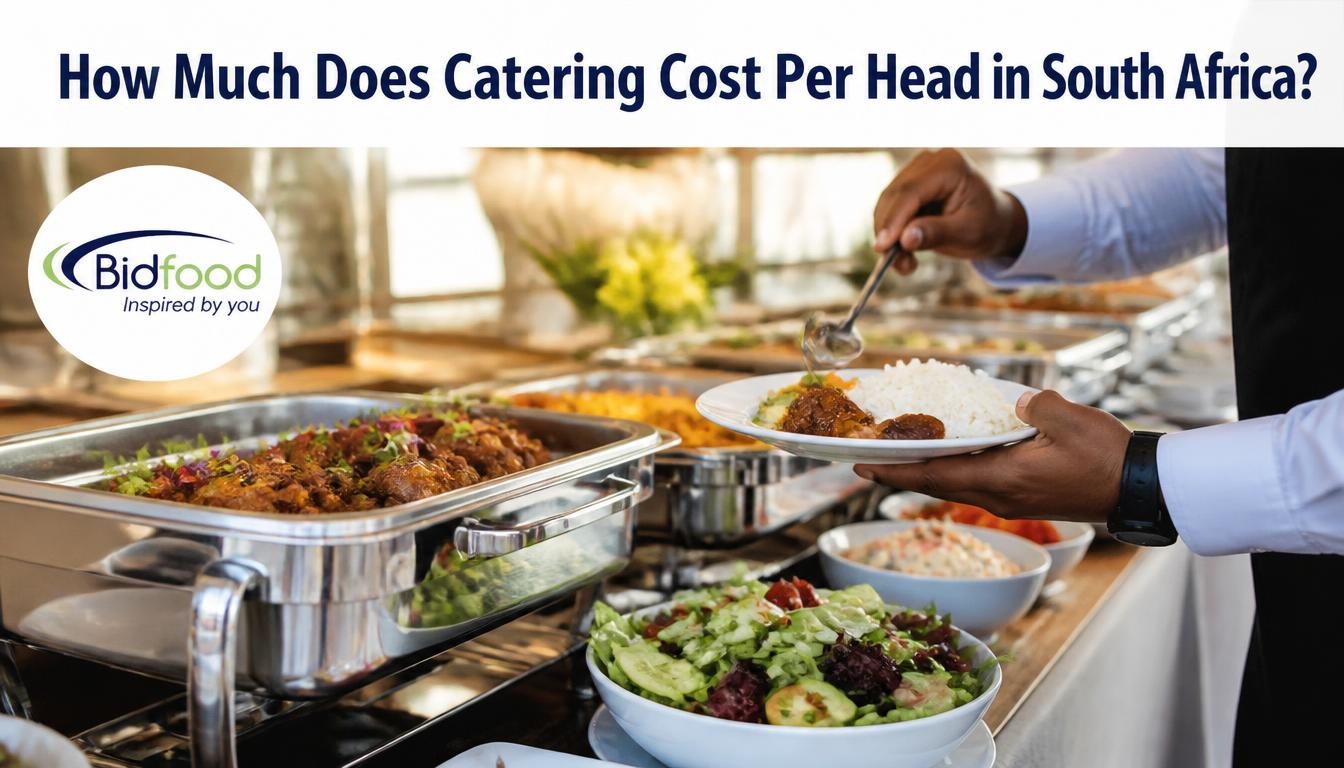
Quick Answer: Catering services for private parties in South Africa typically cost between R150 and R650+ per head in 2026. Budget drop-off party platters start around R120 – R220 per person, mid-range buffet and traditional spit braais average R280 – R420 per person, while fine dining plated multi-course meals range from R450 to R850+ per person. Your ultimate cost depends heavily on whether staffing, crockery rentals, and equipment travel fees are bundled or billed separately.
Planning a private milestone celebration, 30th birthday bash, or intimate anniversary gathering in South Africa comes with one immediate, high-stakes question: how much food should I order, and what is it going to cost me per guest?
2026 South African Catering Cost Summary
Private party catering rates vary dramatically depending on the dining format, server staffing requirements, and menu complexity.
| Catering Format | Average Cost Per Head (ZAR) | Best Suited For | What Is Usually Included |
| Cold Drop-Off Platters | R120 – R220 | Casual birthdays, home cocktail parties | Ready-to-serve savory & sweet platters delivered in disposable boxes. No staffing. |
| Traditional Spit Braai Buffet | R220 – R350 | Outdoor gatherings, family reunions, sports parties | Spit-roasted meats (lamb/pork/beef), pap, chakalaka, hot sides, and 2-3 salads. On-site braai master. |
| Full Hot Buffet Spread | R280 – R450 | Milestone anniversaries, formal home parties | Warm main courses, multiple starches, hot veggies, bread baskets, and self-serve dessert counters. |
| Gourmet Harvest Tables | R250 – R420 | Engagement parties, upscale daytime events | Artisanal cheeses, cured meats, artisan breads, dips, grilled antipasti, and fruit arrangements. |
| Passed Canapés & Finger Foods | R190 – R380 | Formal cocktail parties, housewarming events | 6 to 10 bite-sized chef creations served by wandering floor staff. |
| Plated 3-Course Sit-Down | R450 – R850+ | Luxury private dinners, formal celebrations | Fully plated starter, main, and dessert served direct to seated tables by dedicated waiters. |
First-Hand Consumer Insights: What the Quotes Don’t Tell You
When booking private party caterers across Gauteng, the Western Cape, or KwaZulu-Natal, initial per-head figures rarely represent your final invoice. Real-world party testing and field observations highlight several crucial operational factors:
-
The Minimum Headcount Catch-22: Caterers setting an alluring rate of “R220 per person” frequently enforce a minimum guest threshold of 30 or 40 people. If you are hosting an intimate dinner party for 15, caterers will apply a “small group surcharge” or charge a flat baseline fee (e.g., R5,000 minimum spend), effectively pushing your true per-head cost above R350.
-
Load Shedding & Backup Power Logistics: Even with reduced load shedding schedules, commercial caterers operating at private residential homes require guaranteed power for hot-holding equipment, deep fryers, and double-door warming cabinets. Always clarify whether the caterer brings gas-powered chafing dishes and mobile gas burners, or if they rely on your home power grid.
-
The Crockery and Cutlery Trap: “Food-only” catering quotes mean you must supply or rent dinner plates, side plates, steak knives, forks, dessert spoons, and paper napkins. Hiring standard crockery and cutlery typically adds R25 to R55 per person through event rental companies.
-
Staffing Hours & Overtime Surcharges: Waiters and floor staff are rarely included in basic per-person meal pricing. Standard waiter rates in South Africa run R90 – R150 per hour per waiter, usually with a mandatory 4-hour or 6-hour minimum booking period. If your party runs late past midnight, expect night travel allowances or double-rate overtime charges per server.
Deep-Dive Price Breakdown by Catering Category
1. Drop-Off Platters & Finger Foods (R120 – R220 per person)
Ideal for low-fuss private parties hosted at home or in residential clubhouses.
-
What you get: Assorted savory platters featuring classic South African favorites—samoosas, mini pies, chicken skewers, meatballs, cocktail sausages, and spring rolls—or fresh cold platters featuring artisanal cheeses, fruit, and sandwiches.
-
Cost factors: Purchasing pre-assembled platters from high-end retail delis (such as Checkers Food Services, Woolworths, or Makro) generally works out to R350 – R550 per platter (feeding 6 to 8 people). Professional independent caterers charge slightly more but offer fresher, non-frozen custom assemblies.
2. Spit Braai & Traditional Braai Catering (R220 – R350 per person)
A staple for South African private celebrations, blending informal social vibe with hearty, crowd-pleasing meals.
-
What you get: A dedicated spit-braai chef setting up on-site 3 to 4 hours prior. Includes A-grade spiced lamb, marinated pork neck, or beef sirloin on the spit, accompanied by golden baby roasts or pap, chakalaka, garlic breads, and two fresh seasonal salads (e.g., Greek salad or curried pasta salad).
-
Cost factors: Lamb spit braais carry a higher per-head price due to fluctuating red meat market rates, whereas mixed-protein options (chicken kebabs, boerewors, and pork) sit at the lower end of the pricing scale.
3. Full Buffet & Harvest Table Spreads (R280 – R450 per person)
The standard choice for large milestone parties (like 40th or 50th birthdays) where variety is essential.
-
What you get: A selection of 2 main protein dishes (e.g., slow-roasted beef sirloin and creamy butter chicken curries), two starches (savory rice, potato bake), oven-roasted winter vegetables, and warm dinner rolls.
-
Cost factors: Self-service setups reduce the need for floor waiters, but require the caterer to supply chafing dishes, sternum fuel canisters, and service utensils.
4. Plated Multi-Course Fine Dining (R450 – R850+ per person)
Designed for formal, high-end private home gatherings, intimate engagement parties, or private chef dining experiences.
-
What you get: A 3-course to 5-course menu prepared and plated on-site by a private chef, featuring items like pan-seared linefish, beef fillet with red wine jus, and artisan desserts.
-
Cost factors: Requires dedicated kitchen space at your venue and an aggressive waiter-to-guest ratio (typically 1 waiter for every 8 to 10 guests) to ensure simultaneous table serving.
Key Drivers Influencing Catering Costs in South Africa
-
Guest Count Scale: Due to fixed prep kitchen overheads, a party of 15 guests will incur a much higher per-head cost (often R450+ for a standard meal) compared to a party of 100 guests enjoying the exact same menu (where volume drops the per-head rate to ~R250).
-
Protein Selection & Menu Choices: Seafood (prawns, linefish, salmon) and premium cuts of red meat (beef fillet, rack of lamb) dramatically inflate food input costs compared to poultry, pork, or vegetarian options.
-
Geographic Location & Travel Surcharges: Caterers operating within major metro centers (Johannesburg, Sandton, Cape Town City Bowl, Durban North) maintain competitive pricing. However, events hosted on outer farms, winelands venues, or remote plot locations will trigger travel call-out fees calculated per kilometer (typically R6.50 – R10.00/km).
-
Specialized Dietary Requirements: Requests for strictly certified Halaal, Kosher, strictly gluten-free, or specialized vegan meals usually add a 10% to 20% surcharge per special meal due to strict cross-contamination controls or separate sourcing from certified sub-kitchens.
Retail Platters vs. Professional Catering: Price Comparison
For budget-conscious party hosts, weighing up pre-ordered retail platters against a fully managed catering service is a primary decision point:
-
Retail Supermarket Platters (Checkers / Woolworths / Makro):
-
Cost: R50 – R90 per person equivalent.
-
Pros: Highly economical, reliable quality, zero minimum headcount requirements.
-
Cons: Cold drop-off only; requires host to unbox, manage presentation, heat hot items, replenish trays, and handle clean-up.
-
-
Independent Private Caterers:
-
Cost: R220 – R500+ per person.
-
Pros: Custom tailored menus, hot service, full event execution, dietary options handled professionally, and total stress elimination for the host.
-
Cons: Requires advance booking deposits, subject to minimum guest counts and travel fees.
-
Smart Consumer Strategies to Save Money on Party Catering
-
Opt for a “Hybrid” Catering Model: Purchase fresh deli cheese and charcuterie platters from stores like Checkers or Makro for your arrival starters, then hire a professional caterer exclusively for the hot main course (such as a spit braai or buffet).
-
Schedule a Lunch or Afternoon Event: Lunch and late-afternoon private parties naturally consume 20% to 30% less food and alcohol than formal evening dinner functions, allowing you to opt for lighter gourmet finger food or harvest spreads.
-
BYO Glassware and Crockery: Instead of hiring high-end glassware and plates through your caterer at marked-up delivery rates, hire directly from local party hire depots or buy bulk compostable/bamboo tableware for casual outdoor parties.
-
Keep the Menu Focused: Limit your buffet choices to two well-executed mains and two solid salads/sides. Offering three or four main protein options drives up food prep waste and increases the baseline per-person quote.
-
Consolidate Service Staff: If hosting a buffet, you do not need dedicated table waiters. Hire 1 or 2 clear-up scullery assistants instead to manage trash and dirty plates, saving hundreds of Rands in hourly staffing fees.
Frequently Asked Questions (FAQ)
Does catering pricing in South Africa include VAT?
Not always. Larger formal catering companies registered as VAT vendors will add 15% VAT to their final invoice, whereas smaller independent home caterers may operate below the VAT threshold. Always confirm whether per-head quotes are inclusive or exclusive of VAT before signing.
How much tip or gratuity should I budget for party catering staff?
While service fees may be built into the staffing line item, it is standard practice in South Africa to tip on-site braai masters, chefs, and waiters R100 to R200 each in cash at the end of a successful private party for great service.
How far in advance should I book caterers for a private party in South Africa?
For standard weekend parties, book 3 to 4 weeks in advance. However, if your private party falls in the peak South African celebration season (October through December year-end function period), aim to secure your caterer with a deposit at least 2 to 3 months early.
What happens to leftovers after a catered private party?
Professional caterers will pack up clean leftovers into plastic containers provided by the host. Ensure you clear fridge space prior to event cleanup so hot food can be safely cooled and stored right after service ends.
Legal & Pricing Disclaimer: Prices, per-head estimates, and staffing surcharges listed in this guide are based on national South African market research for 2026. Rates vary by province, seasonal demand, inflation, and vendor specifications. Always request an itemized, formal written quotation specifying VAT, delivery, and staffing terms before paying booking deposits.
Finding the right catering balance comes down to aligning your event style with realistic per-head expectations—whether that means firing up a traditional spit braai in the backyard or serving an elegant multi-course dinner. By understanding hidden fee structures like cutlery hires, travel tariffs, and waiter minimums, you can keep your private party budgeting completely stress-free.
What catering quotes have you received for your upcoming private function? Share your local party planning tips, price experiences, or questions in the comments below to help fellow South Africans host better events for less!

Joseph Mathebula is a consumer analyst and market researcher at Prices in South Africa. He specializes in tracking local service costs, retail pricing, and travel budgets, helping everyday shoppers navigate the market to secure the best value.