Speed Governor Installation Cost: Avoid the SA Price Trap
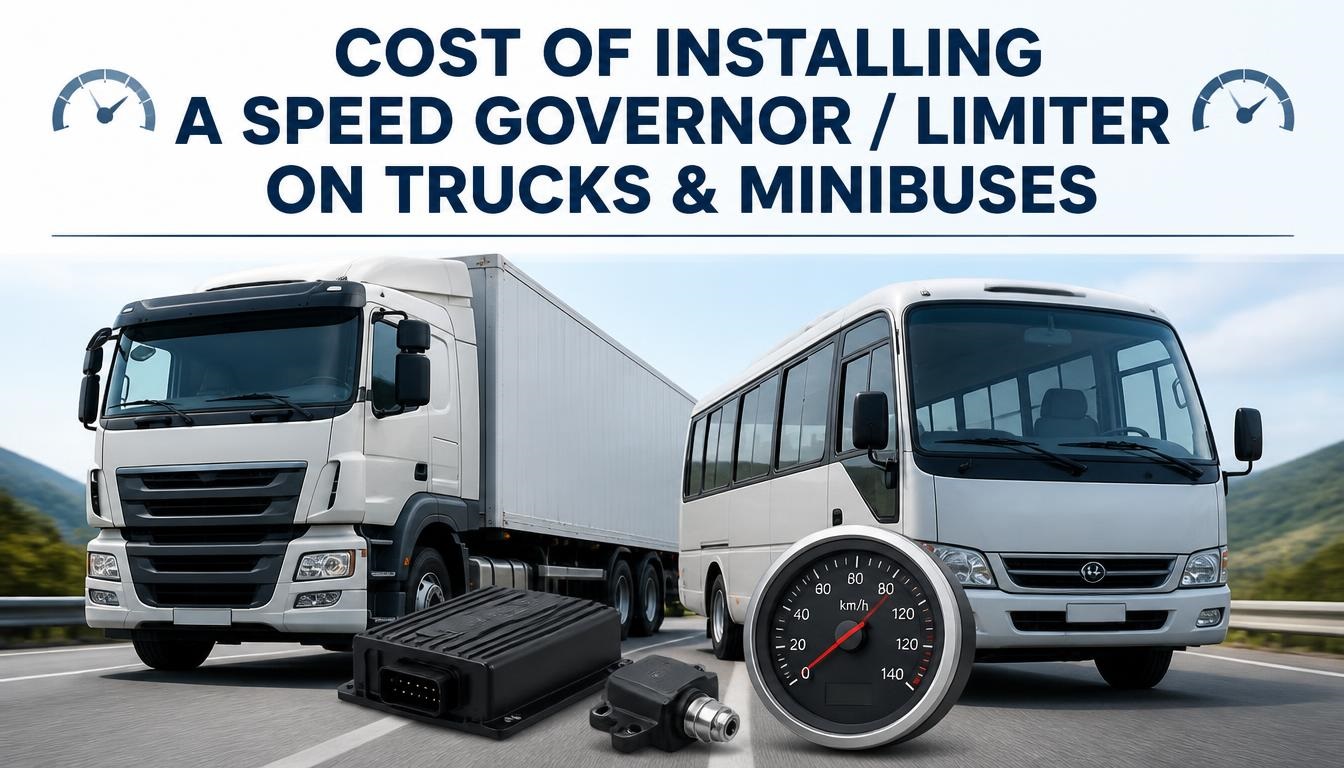
Running commercial transport in South Africa means balancing tight operating margins against brutal traffic enforcement. If you manage a taxi fleet in Soweto, haul cargo along the N3 corridor between Joburg and Durban, or run staff shuttles in the Western Cape, calculating the cost of installing a speed governor / limiter on trucks & minibuses isn’t just a compliance formality—it directly impacts your bottom line.
Between rising diesel prices, strict SANS 1518 / National Road Traffic Act regulations, and sudden traffic police roadblocks checking for illegal modifications, installing an approved speed control system protects both your operator permit and your vehicles.
Quick-Answer Pricing Breakdown (2026 ZAR)
The Real Cost of Fitting Speed Limiters in South Africa
The base purchase price of a speed limiter box is only part of the story. Fleet operators often get caught out by hidden calibration fees, mobile technician call-out surcharges, and annual certificate renewals.
When budgeting for your Toyota Quantum minibus, Isuzu NPR truck, or heavy interlink rig, factor in these distinct cost layers:
-
Hardware & Sensors: Electronic units designed for modern drive-by-wire engines cost more than basic mechanical fuel-cut solenoids used on older diesel engines.
-
Certified Installation: Labor rates at accredited auto-electrical workshops range from R650 to R1,200 per hour, with a standard installation taking 1.5 to 3 hours.
-
Calibration & Sealing: Every legally compliant speed limiter must be calibrated to the specific vehicle’s gear ratios and tire circumference, then tamper-sealed.
-
Certificate of Compliance: Issuing the official certificate for traffic officer inspection typically adds R350 to R600 to the final invoice.
2026 Price Comparison: Speed Governor Options & Providers
The table below outlines current South African market rates for standard minibus taxis (like the Quantum or NV350) and commercial trucks (from 3.5-ton dropsides to heavy haulers):
| Provider / Solution Type | Applicable Vehicles | Estimated ZAR Price (Excl. Call-out) | VAT Included? | Fitment Certificate Included? | Value Rating | Direct Link / Quote Option |
| Mechanical Solenoid Limiter | Older Diesel Minibuses & LCVs | R2,800 – R3,600 | Yes (15%) | Included | 3.5 / 5 | Order via Speed Limiter Solutions |
| Active Drive-By-Wire Governor | Modern Trucks & Euro-5/6 Engines | R4,200 – R5,800 | Yes (15%) | Included | 4.8 / 5 | Check Options on Speed Limit SA |
| Integrated Telematics & Governor | Fleet Trucks & Long-Distance Buses | R6,500 – R8,500+ | Yes (15%) | Included | 4.5 / 5 | Browse Fleet Tech at Makro – Direct Link |
| Annual Calibration & Certificate Renewal | All Regulated Commercial Fleets | R450 – R900 | Yes (15%) | Re-Issued | 4.0 / 5 | Request Fleet Inspection |
Electronic Fly-By-Wire vs. Mechanical Solenoid Systems
Understanding the hardware differences prevents costly engine damage down the road.
Active Electronic Fly-By-Wire Governors
Modern minibuses and trucks use electronic accelerator pedals. Active electronic governors intercept the signal between your foot pedal and the engine control unit (ECU).
-
How it works: When the vehicle reaches the preset limit (e.g., 100 km/h for minibuses or 80 km/h for heavy trucks over 9,000 kg), the system smoothly stops responding to further pedal pressure.
-
Safety advantage: Engine braking, power steering, and ABS braking remain fully operational.
-
Cost: Higher upfront hardware cost (R4,200+), but significantly lower long-term maintenance.
Passive Mechanical Fuel-Cut Limiters
Older vehicles without electronic ECUs require a mechanical actuator attached to the fuel injection pump or throttle linkage.
-
How it works: A physical valve or solenoid restricts fuel flow when speed thresholds are breached.
-
Safety consideration: Poorly fitted fuel-cut systems can cause sudden engine stutter or loss of auxiliary power if miscalibrated.
-
Cost: Cheaper upfront (R2,800), but requires regular physical checks for cable wear and solenoid corrosion.
How Speed Limiters Handle Local South African Road Realities
South African driving conditions present unique challenges that test any speed control installation.
-
Load-Shedding & Grid Power Issues: Certified speed governors operate strictly on your vehicle’s 12V or 24V electrical circuit. Modern active governors store calibration data on internal non-volatile flash memory, ensuring settings aren’t lost even if the vehicle battery dies during prolonged depot downtime.
-
Corrosion & High Heat: Heat under the hood in places like Upington or the Kruger lowveld can cook cheap plastic casings. Ensure your installer uses IP67-rated waterproof housings and high-temp wiring harnesses capable of withstanding temperatures up to 85°C.
-
Potholes & Vibration: Corrugated gravel roads in rural Eastern Cape or Limpopo cause mechanical bypass levers to vibrate loose. Demand anti-tamper wire seals and thread-locking compounds on all mechanical mounting brackets.
Legal Requirements: CPA Rights, SANS Standards & Insurance Claims
Failing to meet legal requirements can cost far more than the installation itself.
National Road Traffic Act Compliance
Under South African law, specific commercial vehicles must be fitted with speed-limiting devices locked to legal maximums:
-
Minibuses / Taxi Shuttles: Speed limiters set to a maximum of 100 km/h.
-
Heavy Freight Trucks (>9,000 kg GVM): Restricted to 80 km/h.
-
Buses & Passenger Transporters: Restricted to 100 km/h.
The Consumer Protection Act (CPA) & Warranties
Under the SA Consumer Protection Act, you are entitled to a standard 6-month implied warranty on both the part and the installation work. Reputable local fitment centers like Speed Limiter Solutions or registered auto electricians offer a 12-month full hardware replacement warranty.
Warning on Insurance Claims: If a fleet vehicle is involved in a severe crash and the police or insurance assessor discovers a tampered or uncertified speed limiter, the insurer can reject the claim outright, leaving you liable for hundreds of thousands of Rands in third-party damages.
Smart Fleet Savings: Discounts, Payment Options & Fuel Payback
Fitting a speed limiter isn’t just an expense; it actively reduces operating costs over time.
-
Fuel Savings Payback: Restricting a heavy truck from 105 km/h down to 80 km/h cuts diesel consumption by up to 12% to 15%. For a long-haul truck burning R40,000 in fuel monthly, the installation pays for itself in under two months.
-
Payment Flexibility: Many commercial installers now accept modern flexible payment solutions. Look for workshops accepting PayFlex, PayJustNow, or business asset financing through major SA banks (Standard Bank, ABSA, FNB, Nedbank) to spread equipment costs over 3 to 6 months.
-
Trade Accounts & Volume Discounts: Fitting 5 or more vehicles simultaneously can drop per-unit labor costs by 15% to 20%. Fleet managers can also utilize trade discount cards at major auto supply partners like Check Auto Accessories at Builders – View Deal or Explore Fleet Electronics on Takealot.
Frequently Asked Questions
Can a driver bypass or tamper with a speed governor?
Certified governors feature anti-tamper sealing wire and encrypted electronic firmware. If a driver cuts the speed signal wire, active systems are programmed to trigger a “fail-safe limp mode,” restricting the engine to idle speed until repaired by an authorized technician.
How long does the installation take per vehicle?
A standard electronic fly-by-wire installation on a Toyota Quantum or ISUZU truck takes between 90 minutes and 2.5 hours. Mechanical installations on older trucks can take up to 4 hours.
Do I need to re-certify my speed limiter every year?
Yes, road traffic regulations and major insurance underwriters require annual re-calibration and re-issuance of the compliance certificate. Re-certification typically costs between R450 and R900 per vehicle.
Are you running a fleet in Gauteng, KZN, or the Western Cape? What quotes have you received for speed governor fitments recently? Drop your feedback, regional workshop recommendations, or experiences with traffic officers below to help other SA transport operators avoid overpaying!
Disclaimer: Prices fluctuate and reflect independent market research at the time of publication. We may earn a small affiliate commission through retailer links at no extra cost to you.

Joseph Mathebula is a consumer analyst and market researcher at Prices in South Africa. He specializes in tracking local service costs, retail pricing, and travel budgets, helping everyday shoppers navigate the market to secure the best value.