Quick Overview
Average Price Range in ZAR: R1,200 to R2,500 (Initial Consultation) | R3,500 to R14,500+ (Full Clinical Treatment Package)
Key Value/Cost Factor: Medical doctor expertise vs. somatologist aesthetician procedures, plus prescription oral retinoids/hormonal therapy vs. clinical-grade chemical peels and laser resurfacing
Best Buying Option/Retailer: Primary medical aid-registered dermatologists in private practice (Sandton, Morningside, Sea Point, Umhlanga) paired with specialized compounding pharmacies or Dis-Chem / Clicks for scripts
Immediate Bottom-Line Verdict: A dedicated specialist consultation is essential before investing in expensive laser or peel packages; targeted oral isotretinoin or prescription topical protocols yield significantly higher ROI than generic aesthetic spa packages for moderate-to-severe acne.
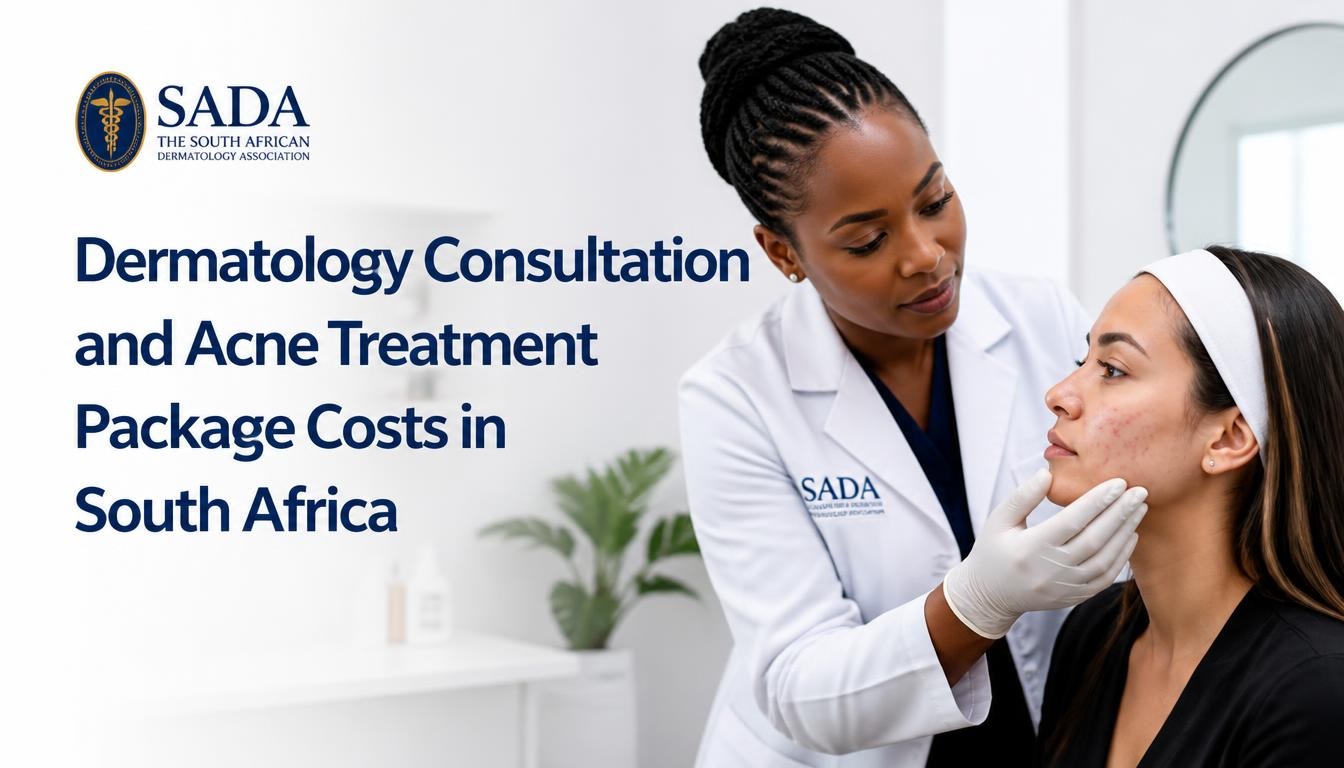
Dermatology Consultation and Acne Treatment Package Costs in South Africa
Managing persistent adult or adolescent acne in South Africa requires navigating a complex landscape of specialist consultation fees, medical aid gaps, and multi-session clinical treatment packages. Whether dealing with stubborn cystic flare-ups, hormonal breakouts around the jawline, or deep post-inflammatory hyperpigmentation (PIH), moving from over-the-counter cleansers to professional dermatological care is a major financial decision.
Understanding the full financial commitment—from the first diagnostic skin check to ongoing chemical resurfacing and oral medications—helps prevent costly surprises in your skincare journey.
Total Out-of-Pocket Cost Breakdown for Acne Management in ZAR
Private dermatology fees in major metro areas like Johannesburg, Cape Town, and Durban operate largely on cash-first principles or scheme-rate claims with co-payments. Below is a snapshot of current clinical rates, diagnostic fees, and multi-session package structures across South African medical practices.
| Service / Treatment Phase | Average Cost Range (ZAR) | Medical Aid Coverage Status | Typical Protocol Frequency |
| Initial Dermatologist Consultation | R1,200 – R2,500 | Partial/Full (Savings/Executive) | Once off (45–60 mins) |
| Follow-Up Assessment | R750 – R1,400 | Scheme rates apply | Every 4 to 8 weeks |
| Salicylic / Glycolic Chemical Peels | R750 – R1,800 per session | Self-funded (Cosmetic) | 3 to 6 sessions |
| Microneedling (Dermapen / SkinPen) | R1,800 – R3,500 per session | Self-funded | 3 to 4 sessions (for scarring) |
| IPL / BBL Light Therapy | R1,500 – R3,800 per session | Self-funded | 4 to 6 sessions |
| Fractional CO2 / Erbium Laser | R4,500 – R12,000 per session | Self-funded | 1 to 3 sessions (deep scarring) |
| Prescription Oral Isotretinoin (Monthly) | R350 – R850 (Generic vs Brand) | Acute/Chronic cover options | 6 to 9 months course |
| Medical-Grade Homecare Package | R1,800 – R4,200 (Full Kit) | Self-funded | Replaced every 2 to 3 months |
What Drives the Cost of Clinical Acne Care?
The disparity between a R600 high-street facial and a R10,000 medical dermatology package stems from clinical oversight, technology tiers, and active ingredients.
-
Specialist Qualifications vs. Aesthetician Status: A board-certified dermatologist (registered with the Health Professions Council of South Africa – HPCSA) charges higher diagnostic fees than a somatologist or skin therapist. Dermatologists diagnose underlying pathology (such as PCOS, bacterial folliculitis, or hormonal dysfunction) and prescribe restricted Schedule 3 to 5 medications like Roaccutane/Oratane or spironolactone.
-
Severity Grade of Acne: Grade 1 (mild comedonal) acne responds to topical retinoids and light peels. Grade 4 (severe nodulocystic) acne requires oral systemic drugs paired with inflammatory-control light treatments, raising total treatment costs.
-
Geography and Clinic Overhead: Practices in high-rent medical hubs—such as Sandton Medi-Clinic, Rosebank, Constantia, or Umhlanga Arch—charge on the higher end of the spectrum to cover advanced equipment like VISIA 3D complexion analysis devices.
-
Post-Acne Scarring Protocols: Active acne treatment focuses on clearing infection and regulating sebum. Addressing lingering rolling scars, boxcar indentations, or dark spots requires advanced physical interventions like subcision, TCA CROSS, or ablative laser resurfacing, which form the bulk of high-tier package pricing.
Real World Observations & Clinical Field Notes
Evaluating acne treatment packages reveals several key practical factors:
-
The VISIA Complexion Trap: Many aesthetic clinics offer free or low-cost initial 3D skin scans. While visually impressive, these scans often push aggressive 6-session peel packages before stabilizing active inflammation with affordable prescription topicals.
-
Prescription vs. Cosmetic Kits: A R3,500 medical-grade skincare kit sold at a specialist clinic often contains higher concentrations of pure L-ascorbic acid, encapsulated retinol, and stabilized salicylic acid compared to off-the-shelf retail products. However, pairing a simple pharmacy cleanser with a prescription tretinoin cream (R250–R400) frequently yields faster results for a fraction of the cost.
-
The “Roaccutane Purge” Timeline: Patients starting oral isotretinoin should budget for increased skin barrier repair needs during months 2 and 3. Heavy-duty non-comedogenic moisturizers, lip balms, and high-SPF sunscreens become mandatory daily expenses.
Retailer & Clinic Ecosystem Comparison in South Africa
Navigating where to spend your money depends on your budget and medical necessity.
Private Specialist Dermatology Rooms
-
Best for: Severe cystic acne, sudden adult-onset breakouts, chronic scarring, or cases needing prescription oral medication.
-
Price Tier: High (R1,500 – R2,500 initial consultation).
-
Pros: Doctor-led diagnosis, access to medical-grade prescriptions, and safe management of systemic drugs.
-
Cons: Long waiting lists (often 4 to 12 weeks for popular specialists) and limited medical aid coverage on basic day-to-day saver plans.
Medical Aesthetic Franchises (e.g., Skin Renewal, Dermapen Clinics, Laserderm)
-
Best for: Grade 1–2 acne, post-acne marks, skin texture refinement, and multi-treatment package deals.
-
Price Tier: Moderate to High (Packages range from R4,000 to R12,000).
-
Pros: Doctor-supervised, flexible appointment availability, high-end laser technology, structured payment installments.
-
Cons: Tendency to bundle multiple aesthetic procedures that may not all be medically necessary.
Pharmacy & Retail Outlets (Clicks, Dis-Chem, Dermastore)
-
Best for: Maintenance, mild breakouts, prescription script fulfillments, and budget-friendly barrier support.
-
Price Tier: Budget to Mid-Range (R150 – R800 per product).
-
Pros: High accessibility, reward points (Clicks ClubCard, Dis-Chem Benefit), wide choice of French pharmacy brands (La Roche-Posay, CeraVe, Bioderma, Avene).
-
Cons: Lack of customized medical oversight; trial-and-error can add up over time.
Smart Money-Saving Tips for Acne Care in SA
-
Leverage Medical Aid Day-to-Day Benefits: Request an itemized invoice with tariff code 0190 (consultation) and ICD-10 diagnosis codes (e.g., L70.0 for Acne Vulgaris). Even if your scheme doesn’t pay from the risk pool, this counts toward your annual threshold or pays out of your Medical Savings Account (MSA).
-
Opt for Generic Isotretinoin: If prescribed oral isotretinoin, ask your pharmacist for generic equivalents like Oratane or Acnetane instead of brand-name Roaccutane. This can cut your monthly medication bill by 30% to 50%.
-
Space Out Your Aesthetic Treatments: Clinics often encourage 2-week intervals for chemical peels. Extending sessions to 4-week gaps gives the skin barrier more time to recover naturally and spreads costs over a longer timeframe without compromising overall results.
-
Simplify Your Homecare Routine: Do not buy 7-step skincare routines. Focus your funds on three core essentials: a gentle pH-balanced cleanser, an effective active treatment (prescription or salicylic acid), and a light non-comedogenic fluid SPF 50+.
Frequently Asked Questions
Does South African medical aid cover acne treatments?
Medical aid schemes usually cover the initial dermatologist consultation and prescription oral or topical medications from your Medical Savings Account (MSA) or day-to-day benefits. Cosmetic procedures like aesthetic chemical peels, microneedling, and laser scar resurfacing are considered elective and are rarely covered.
How much does a full 6-month Roaccutane course cost in South Africa?
Including monthly doctor check-ups, required baseline liver/lipid blood tests (R600–R1,200 per test series), and the medication itself, a 6-month course typically totals between R5,500 and R10,000 out-of-pocket, depending on the dosage prescribed and whether generic options are selected.
Is a GP or a Dermatologist better for treating acne?
A General Practitioner (GP) charges significantly less (R500 – R900) and can prescribe first-line treatments like topical retinoids, benzoyl peroxide, and oral antibiotics. If your acne is severe, painful, or unresponsive to GP-level treatments after 8 weeks, see a dermatologist.
Can I get a dermatological consultation at a public government hospital?
Yes. State health facilities offer dermatology care at nominal or zero cost based on your income band (H0, H1, H2, H3 scale). However, you must first obtain a written referral from a local primary healthcare clinic or district GP, and waiting periods for specialist appointments can range from 3 to 8 months.
Price Accuracy & Medical Disclaimer Notice
Prices detailed in this guide reflect current 2026 South African private healthcare market averages (inclusive of 15% VAT). Exact consultation rates, procedure fees, and package costs vary by practitioner, clinic location, and individual medical complexity. This content is for informational and consumer research purposes only and does not constitute formal medical advice. Always consult a HPCSA-registered medical practitioner for diagnosis and treatment planning.
Join the Discussion
Have you recently visited a dermatologist or started an acne treatment protocol in South Africa? What were your consultation fees or package costs, and did your medical aid cover any part of the treatment? Share your experiences, clinic recommendations, or questions in the comments below to help fellow readers make informed decisions.

Joseph Mathebula is a consumer analyst and market researcher at Prices in South Africa. He specializes in tracking local service costs, retail pricing, and travel budgets, helping everyday shoppers navigate the market to secure the best value.