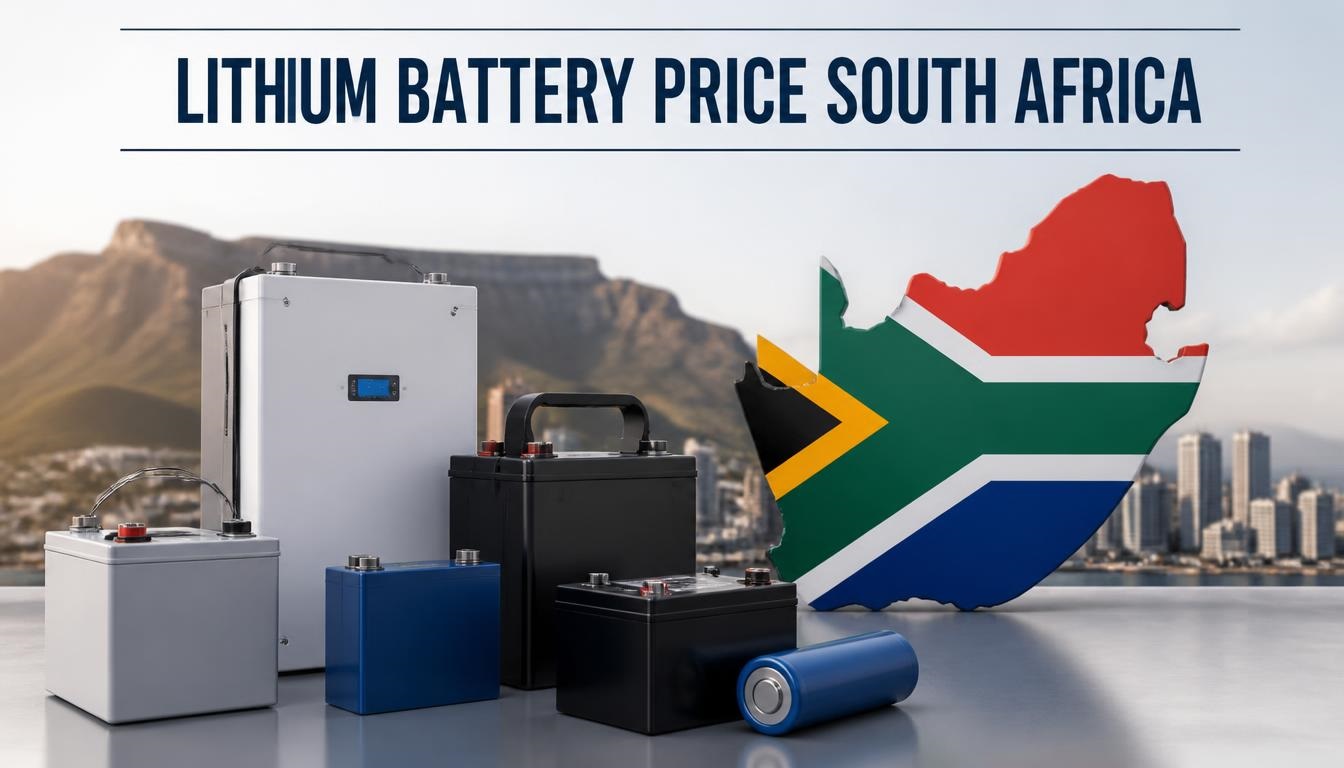
Navigating the South African backup energy market in 2026 requires more than just picking a battery off a shelf; it demands a granular understanding of how local retail markups, import logistics, tax regulations, and severe grid instability impact your wallet. Whether you are upgrading from an aging lead-acid gel setup to survive unexpected load-shedding surges or engineering an off-grid solar installation for a suburban home, lithium iron phosphate (LiFePO4) technology remains the gold standard for residential and commercial energy storage. However, prices across local suppliers—ranging from Takealot, Leroy Merlin, and Builders Warehouse to specialized electrical distributors like Voltex and ARB Electrical—vary by thousands of Rands for what appears to be identical capacity. As retail data analysts tracking the South African consumer electronics sector, we evaluated real-time pricing data, warranty structures, depth-of-discharge parameters, and C-ratings across major tier-one brands including Freedom Won, Sunsynk, Hubble, Dyness, Deye, and Greenrich. This comprehensive pricing guide provides an unvarnished, data-backed breakdown of current lithium battery costs in South Africa, helping you avoid overpriced installations and make an informed investment.
At a Glance: 2026 ZAR Price Breakdown
For quick decision-making, current retail pricing across South Africa for first-life LiFePO4 batteries spans three distinct capacity categories:
-
Entry-Level (12.8V – 25.6V / 1kWh – 2.75kWh): R3,500 to R9,500. Ideal for small drop-in replacements, powering Wi-Fi routers, TV setups, and portable power stations.
-
Mid-Range Residential Standard (48V – 51.2V / 5kWh – 6.1kWh): R12,000 to R19,800. The sweet spot for average households pairing a 5kW inverter to run essentials through extended outages.
-
High-Capacity & Premium Wall Mount (10kWh – 16kWh): R24,500 to R43,000+. Designed for large homes running heavy inductive loads like air conditioners, heat pumps, and borehole pumps.
Detailed Price & Retailer Comparison Matrix
To identify where value meets reliability, we analyzed retail shelf pricing across South African wholesalers, home improvement chains, and online stores. The matrix below outlines average retail pricing, operational specs, and warranty value ratings for popular lithium batteries sold nationwide.
| Retailer / Channel | Product Brand & Model | Battery Voltage & Capacity (kWh) | Typical ZAR Price Range (Inc. VAT) | Warranty & Value Rating |
| Voltex / Solar Specialists | HinaESS PowerGem / Hi-5 | 51.2V / 5.12 kWh | R12,000 – R12,900 | Excellent (5/5) – High cycle count at low Cost-per-kWh |
| Leroy Merlin / ARB Electrical | Dyness DL / BX 51100 | 51.2V / 5.12 kWh | R12,800 – R16,000 | Very Good (4.5/5) – Solid build, high inverter compatibility |
| Takealot / Online Merchants | Hubble AM-2 / AM-5 | 51.2V / 5.12 kWh – 5.5 kWh | R13,000 – R15,200 | Very Good (4/5) – Popular local support, cloud monitoring option |
| Specialized Solar Installers | Greenrich U-P5000 / WM5000 | 51.2V / 4.95 kWh – 5.12 kWh | R13,000 – R15,700 | Outstanding (4.8/5) – High discharge current capability (1.5C) |
| SunStore / Independent Retailers | Sunsynk LFP Battery G-Series | 51.2V / 5.12 kWh | R16,800 – R17,500 | Excellent (4.7/5) – Native seamless sync with Sunsynk inverters |
| ARB / Special Order Wholesalers | Freedom Won eTower | 52V / 5.0 kWh | R18,300 – R19,800 | Premium (4.9/5) – Local SA assembly, industrial-grade durability |
| Voltex / Direct Distributors | Volta Stage 3 / Bess | 51.2V / 10.24 kWh | R24,500 – R48,500 | Good (4.2/5) – Great scale for large residential loads |
| Major Solar Outlets | Freedom Won Lite Home 10/8 | 52V / 10.0 kWh (8kWh Usable) | R43,000 – R78,500 | Top Tier (5/5) – 10-year warranty, 4000+ cycle life at 80% DOD |
Note: Pricing reflects current retail averages in South Africa inclusive of 15% VAT. Prices fluctuate based on Rand/US Dollar exchange rates and container shipping freight rates.
Cost vs. Performance Breakdown
When evaluating lithium batteries, paying less upfront does not automatically equate to long-term savings. The total cost of ownership is determined byusable storage capacity, discharge speed, and cycle lifespan.
Budget Tier (12.8V – 25.6V Drop-In Replacements)
-
Price Range: R3,500 to R11,000
-
Target Features: 100Ah to 200Ah mono-block format, internal basic BMS, limited communication ports, 2,000 to 3,000 cycle lifespan at 80% Depth of Discharge.
-
Best Used For: Gate motors, alarm systems, small camping setups, or replacing dead 12V lead-acid batteries in small 1kVA/2kVA trolley inverters.
-
Worth It Index: 7/10. Highly affordable upfront, but lacking CAN/RS485 communications means they cannot talk directly to hybrid solar inverters, leading to potential premature cell aging if charged incorrectly.
Mid-Tier Residential Standard (48V / 51.2V Wall & Rack Mount)
-
Price Range: R12,000 to R19,800
-
Target Features: 5kWh to 6.1kWh usable energy, active cell balancing, dual CANbus/RS485 communication, 1C to 1.5C discharge capability, 6,000+ cycle life at 80% DOD, 10-year manufacturer warranties.
-
Best Used For: Standard 3-bedroom or 4-bedroom households running lights, TVs, refrigerators, computers, and kitchen appliances via a 5kW or 8kW hybrid inverter.
-
Worth It Index: 9.5/10. This is the optimal economic tier for South African homeowners. Brand competition in this bracket keeps prices keen, making Cost-per-kWh exceptionally low over a 10-year operating horizon.
-
Price Range: R25,000 to R120,000+
-
Target Features: 10kWh to 30kWh+ single enclosures, high-voltage stackable options (200V–500V+), ultra-heavy aluminum casings, 10-to-15-year performance guarantees, 8,000+ cycles at 90% DOD.
-
Best Used For: Large estates, commercial offices, agricultural pumping, or heavy industrial operations requiring zero-downtime backup.
-
Worth It Index: 8.8/10. Requires significant capital outlay, but delivers the lowest risk profile, longest longevity, and highest safety ratings for high-demand electrical environments.
Buyer’s Decision Framework & Buying Guide
Selecting the right lithium battery requires examining technical specifications beyond the sticker price. Follow this step-by-step checklist before making a retail payment.
Step 1: Calculate Real Usable Capacity vs. Nominal Rating
Never size a system solely on nominal kilowatt-hours (kWh). Nominal capacity represents the absolute total energy held within the cells, but drawing a battery down to absolute zero damages the internal chemistry.
To determine usable energy, multiply the nominal capacity by the recommended Depth of Discharge percentage. For instance, a 5.12kWh battery with an 80% DOD rating provides exactly 4.096kWh of usable electricity during an outage. If a competing battery offers 5.12kWh at 90% DOD, it provides 4.608kWh of real power—meaning you get 12.5% more electricity per charge cycle.
Step 2: Evaluate the C-Rating and Continuous Current Limits
The C-rating determines how fast energy can be drawn out of the battery without triggering thermal overload or BMS safety shutdown.
-
0.5C Battery: A 5.12kWh battery rated at 0.5C can only continuously output 2.56kW of electrical power. If your household turns on a kettle (2kW) and a microwave (1.2kW) simultaneously, the total draw of 3.2kW will trip the battery’s protection switch, plunging your home into darkness even if the battery is 100% full.
-
1.0C Battery: A 5.12kWh battery rated at 1.0C can continuously release the full 5.12kW of energy. This allows you to run high-surge household appliances easily without shutting down the inverter.
-
1.5C Battery: High-discharge models (such as certain Greenrich or Hubble variants) can supply up to 1.5 times their rated capacity for brief periods, handling motor startup spikes from borehole pumps and fridge compressors.
Step 3: Verify Inverter Closed-Loop Communication
Ensure the battery management system (BMS) in your chosen lithium pack is natively compatible with your inverter’s firmware (such as Sunsynk, Deye, Victron, Luxpower, or Growatt).
When connected via a CAN or RS485 data cable, the battery tells the inverter its exact state-of-charge, voltage limits, and temperature parameters in real time. Running a lithium battery in open-loop mode (relying solely on voltage estimates) voids warranties on premium models and reduces system efficiency.
Step 4: Inspect Local Warranty Service and Manufacturer Support
In the South African market, gray-import electronics can leave consumers stranded if a cell fails. Look for brands with physical service centers, dedicated technical support lines, and local RMA facilities in major hubs like Johannesburg, Cape Town, or Durban. Brands like Freedom Won, Hubble, and Sunsynk maintain extensive local repair networks. Confirm whether the warranty covers full replacement or prorated repair over its 5-to-10-year term.
When budgeting for a lithium battery upgrade in South Africa, the purchase price of the battery unit itself typically accounts for only 65% to 75% of the total installation bill. Ignoring ancillary components and compliance costs leads to budget overruns.
1. Mandatory Protection and Switchgear
Connecting a high-capacity lithium battery directly to an inverter without proper switchgear violates South African National Standards (SANS 10142-1). You must account for:
-
DC Circuit Breakers / Fused Isolators: R800 to R1,800 depending on amperage (e.g., 125A or 160A fuses).
-
Heavy-Duty Copper Cable Sets: R600 to R1,500 for 35mm² or 50mm² flexible DC power cables.
-
Surge Protection Devices (SPD): R1,200 to R2,500 to guard delicate BMS circuit boards against Eskom power restoration voltage spikes.
2. Professional Installation and Electrical CoC
Self-installation of 48V+ lithium batteries invalidates manufacturer warranties and home insurance policies. A qualified, registered electrician must install the unit and issue an updated Certificate of Compliance (CoC). Professional installation labor and CoC certification generally range from R2,500 to R6,000 depending on sub-distribution board modifications.
3. Freight and Delivery Surcharges
Lithium batteries are classified as dangerous goods due to high energy density and chemical composition. Online orders from nationwide retailers often incur specialized courier surcharges ranging from R350 to R1,200 for heavy wall-mount units weighing between 45kg and 110kg.
4. Ambient Temperature and Battery Cabinet Requirements
LiFePO4 chemistry degrades rapidly when operated or charged in ambient temperatures exceeding 35°C or dropping below 0°C. If installing your energy system in a garage, outdoor lean-to, or exterior wall exposed to direct sunlight, factor in the cost of an IP65-rated weatherproof cabinet or dedicated thermal ventilation, adding another R1,800 to R4,500 to your total expenditure.
Real-World Expert Deal Commentary
“The single biggest mistake South African buyers make is purchasing a lithium battery based strictly on upfront cost per nominal kWh without checking the continuous discharge rating. We regularly see consumers pair a 5kW inverter with a budget 0.5C battery, only for the battery BMS to trip the second an electric kettle or washing machine kicks in. If you plan to power heavy household loads during power interruptions, prioritize a 1C or 1.5C rated battery from a brand with established local repair centers in Gauteng or the Western Cape. Additionally, watching out for promotional sales events—such as mid-year clearance sales at major wholesalers or Black Friday retail promotions—can easily shave 15% to 25% off premier 5kWh and 10kWh models.”— Senior Retail Data Analyst, pricesinsouthafrica.co.za
Frequently Asked Questions
Can I replace my existing gel or lead-acid batteries with a lithium battery using the same inverter?
In most cases, yes, provided your existing inverter supports customizable charging voltages or has a dedicated lithium charging profile. However, if your older inverter lacks CAN/RS485 communication ports, the new lithium battery will run in open-loop mode based on voltage levels. For optimal performance, safety, and full warranty compliance, upgrading to a modern hybrid inverter that communicates directly with the battery’s BMS is strongly recommended.
Are financing options like Mobicred, PayFlex, or float payment plans available for lithium batteries in SA?
Yes, major South African online retailers and solar outlets integrated with platforms like Takealot, Leroy Merlin, and specialist solar shops widely accept flexible financing solutions. Options include PayFlex (four interest-free installments over six weeks), Mobicred (revolving credit over 12 months), and Float (using your existing credit card limit to split payments without extra interest fees). Always double-check terms, interest rates, and processing fees before finalizing purchase agreements.
How many years will a LiFePO4 battery actually last under typical South African usage?
A quality LiFePO4 battery rated for 6,000 cycles at 80% Depth of Discharge will typically last between 10 and 15 years under daily cycling conditions. Because LiFePO4 chemistry degrades much slower than traditional lead-acid or standard lithium-ion (NMC) batteries, even after 6,000 cycles, the battery will generally still retain roughly 70% to 80% of its original storage capacity rather than dying completely.
What happens if my lithium battery trips during a power outage?
When a lithium battery trips, its internal Battery Management System (BMS) has triggered a protective shutdown due to over-current draw, short circuit, cell imbalance, under-voltage, or overheating. To reset the unit, disconnect all heavy household loads at your main distribution board, turn off the battery isolator switch for 30 seconds, switch it back on, and allow the inverter to re-establish connection before reintroducing essential electrical loads one by one.
What lithium battery brand and capacity are you currently running in your home or business setup, and what price did you pay at your local retailer? Have you noticed a significant difference in performance after upgrading from lead-acid or gel units? Share your hands-on pricing experiences, installation stories, and retailer feedback in the comments below to help fellow South African consumers make smart, cost-effective buying choices!
Pricing & Independent Review Disclaimer
This pricing guide and consumer review is published independently by pricesinsouthafrica.co.za for educational and informational purposes only. Retail prices, product specifications, promotional discounts, and stock availability across South African suppliers (including Takealot, Leroy Merlin, Makro, Builders, Voltex, and independent distributors) fluctuate dynamically based on currency exchange movements, import duties, and vendor policy changes. All prices quoted in South African Rand (ZAR) were verified at the time of writing and include 15% VAT unless explicitly stated otherwise. Always confirm final costs, warranty terms, and installation requirements directly with certified installers or official retail vendors prior to completing any financial transaction.

Joseph Mathebula is a consumer tech analyst and market researcher at Prices in South Africa. He specializes in tracking smartphone prices and consumer electronics, helping everyday shoppers navigate the market to secure the best value.
Post Disclaimer
Prices and availability are subject to change without notice and may vary by store or region. pricesinsouthafrica.co.za is an independent informational platform; we do not sell products directly, nor are we responsible for third-party pricing errors.